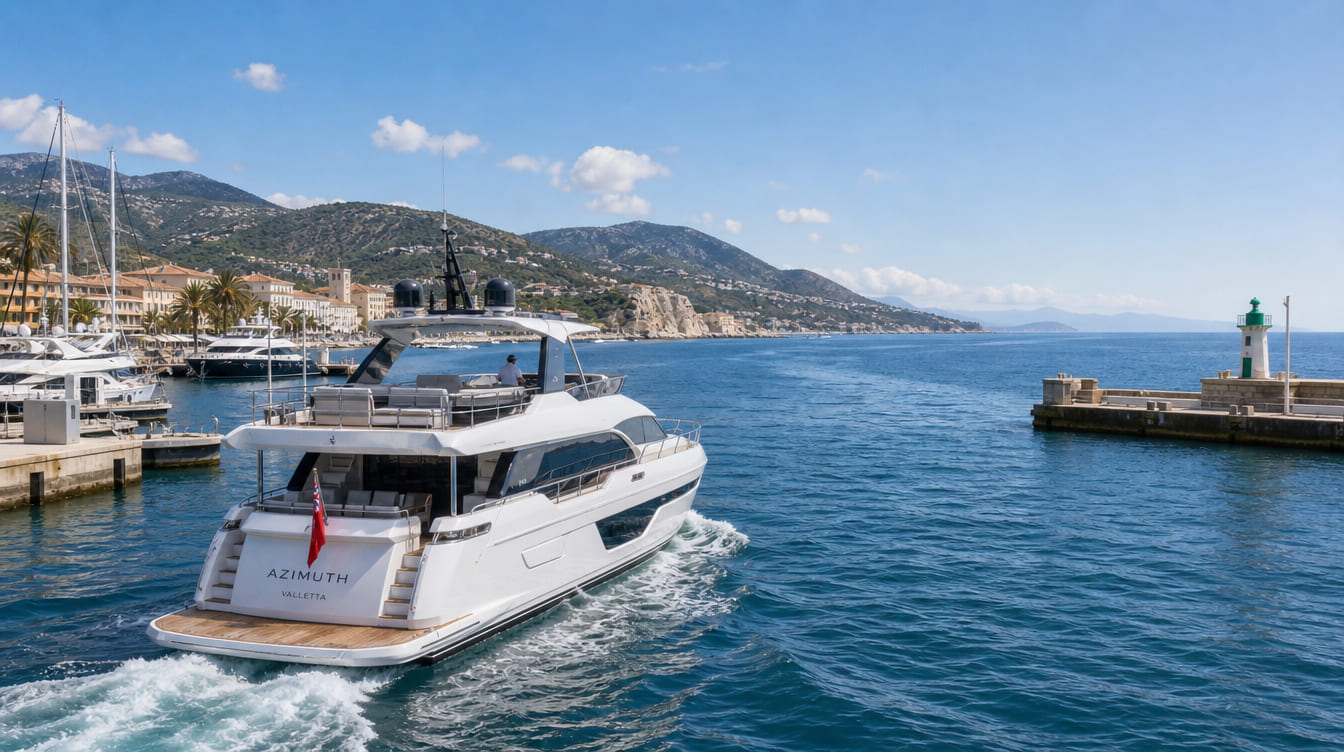
On a self-sailed charter, embarkation day belongs to a checklist. The skipper arrives before the crew, runs the engine, tests the winches, checks fuses and valves, and works through the boat systematically before anyone else is allowed to bring luggage aboard. It is thorough, necessary work, and it sets the tone for the entire trip.
On a private, crewed charter, embarkation day looks almost nothing like that. The vessel has already been prepared, inspected, and provisioned before you arrive. What is left for guests is considerably more enjoyable: arriving, meeting the people who will look after the week ahead, and easing into the rhythm of the boat.
Arrival and Welcome Aboard
Most charters begin with a straightforward arrival at the marina, where the crew is typically on hand to greet guests, take care of luggage, and get everyone settled without any of the logistics falling to the guest. This is usually the first proper introduction to the boat itself, a short walk-through of the layout, the cabins, the saloon, and the deck areas, so the geography of the week ahead makes sense from the outset.
It is worth arriving with a little time to spare rather than rushing straight from a flight or a long drive. The first hour aboard tends to set the pace for the rest of the charter, and a calm arrival makes for a calmer first evening.
The Safety Briefing
A short safety briefing is a standard part of boarding any yacht, crewed or not, and it is worth genuine attention even though it takes only a few minutes. The crew will typically point out life jackets, muster points, and general safety procedures for the vessel. It is a brief, straightforward part of the day, handled by the crew as a matter of routine rather than something guests need to prepare for in advance.

Meeting Your Captain and Crew
This is usually where embarkation day on a private charter diverges most clearly from a bareboat check-in. Rather than a technician handing over a vessel and departing, guests spend time getting to know the captain and crew who will be with them for the duration of the trip. It is a natural moment to discuss preferences, dietary requirements, favourite anchorages or activities, and the general pace guests are hoping for, relaxed and slow, or full of stops and watersports.
Any specific requests flagged during booking are usually revisited here too, giving the crew a chance to confirm details and guests a chance to adjust anything before the itinerary properly begins.
Settling Into Your Cabin
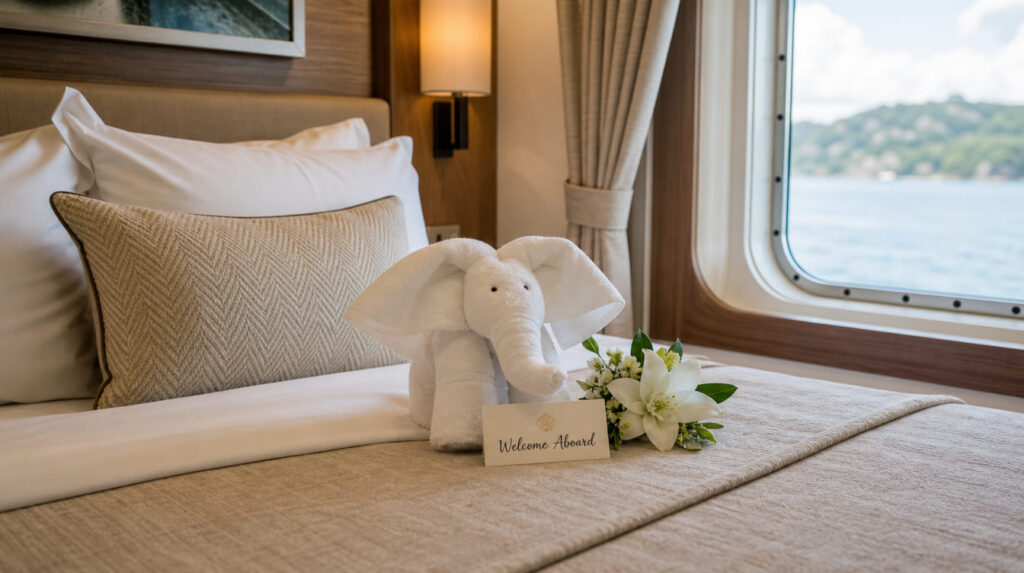
Cabins are generally ready on arrival, with luggage brought aboard by the crew rather than guests. It is worth taking a few minutes to unpack properly rather than living out of a bag for the week, particularly given how much more a cabin feels like a proper base once a few personal items are out and visible.
Reviewing the Itinerary Together
Most charters include a short conversation about the days ahead, whether that is confirming a pre-planned route or shaping one together based on weather, guest preferences and what each destination offers. This is the moment to raise anything not already discussed during booking: a particular restaurant guests want to reach, a snorkelling spot someone has read about, or simply a preference for early starts over lazy mornings.
What the Crew Has Already Handled
Everything the BoatAround checklist covers, engine checks, sail condition, anchor windlass function, circuit breakers, safety equipment, has already been completed by professional crew and the charter company before a guest ever steps aboard. Vessels in the Maréa fleet are maintained, inspected and insured as standard, which means embarkation day carries none of the mechanical responsibility that a bareboat charter places on its skipper. Guests are free to focus entirely on the trip itself.
A Few Things Worth Doing on the First Afternoon
Many first days settle into a similar, easy rhythm: a short cruise out of the marina to get a feel for the boat, a swim stop somewhere close by, and a relaxed dinner either on board or at a nearby harbourside spot. There is rarely any need to rush into a full day of exploring on arrival. A gentle first afternoon tends to set a better tone for the week than trying to fit in too much too soon.
The First Step of a Longer Story
Embarkation day is, in the end, simply the beginning of the story rather than a hurdle to clear before it starts. With the vessel, the safety checks and the technical details already handled, what remains is a welcome, a conversation, and the first easy hours of a week that has been shaped around the guests aboard it.
FAQ
Do guests need to inspect the yacht before departure? No. Every yacht in the Maréa fleet is professionally maintained, inspected and insured before guests arrive, so there is no equipment checklist for guests to work through on boarding day.
Is there a safety briefing before the charter begins? Yes. The crew runs a short safety briefing covering life jackets, muster points and general procedures, which takes only a few minutes and is standard practice on every charter.
How early should guests arrive on embarkation day? Arriving with some time to spare, rather than rushing straight from travel, tends to make for a calmer first afternoon and a better start to the week.
Can guests request changes to the itinerary after boarding? Yes. Embarkation day usually includes a conversation with the captain about the days ahead, and preferences or adjustments can be discussed and shaped at that point.
Do guests need to bring their own safety equipment? No. Life jackets and all required safety equipment are provided as standard on every yacht in the fleet.
What happens to luggage on arrival? The crew typically handles luggage on boarding, so guests can focus on settling in and meeting the crew rather than managing logistics themselves.